 Ngorongoro Crater Tour
Home › Guides › What to Wear on a Ngorongoro Crater Safari in Tanzania
What to Wear on a Ngorongoro Crater Safari in Tanzania
For a Ngorongoro Crater day, pack a fleece or light jacket, a buff or beanie and closed shoes in khaki or olive, because the NCAA says temperatures in the area swing from 3°C to 35°C with altitude and the rim is always colder than the floor. This guide on what to wear on safari Tanzania covers colours to avoid, layers for the rim, shoes, sun and dust gear, a packing checklist and what your tour already covers.
Quick answer Layers, colours, shoes and bag limits at a glance
Dress in layers for a range of 3°C to 35°C: a fleece and beanie for the cold rim at dawn, a breathable shirt for the warm crater floor by midday. Stick to khaki, olive, tan and light grey, skip black, blue, white and camouflage, and keep the bag soft and light.
Key takeaways
- Pickup on the Ngorongoro Crater Day Trip from Arusha is before dawn, so wear the fleece on the drive up and peel it off on the floor.
- The Budget Ngorongoro Crater Day Trip from Moshi or Arusha adds $169 per person in cash for crater fees, so pack that cash with your passport.
- Sleeping on the rim on the 2-Day Tarangire and Ngorongoro Private Camping Safari means a warm layer for a cold night, as the NCAA notes.
- Compare every day trip and multi-day option on the ngorongoro crater tour guide before you pack.
How to Dress for a Safari in Tanzania?
Wear muted browns, olive, khaki and light grey in loose, breathable layers, and leave black, blue, bright colours and camouflage at home.
Safari clothing in Tanzania follows two rules: neutral colours that keep biting flies and dust off you, and layers for a day that starts cold and ends warm.
The colour rule for a crater game drive
Asilia, a safari operator, tells guests to pack muted browns, olive, khaki and light grey and to avoid bright colours, black and blue. One traveller blog sums it up as 50 shades of khaki, from tans to army greens.
The reason for skipping dark colours is the tsetse fly. Blue is a magnet for tsetse flies, and they land on black nearly as much as on blue. A navy jumper on a cold morning can turn into a fly magnet by lunch.
| Colour or pattern | Wear or avoid | Why it matters on the crater |
|---|---|---|
| Khaki, tan, olive, muted brown | Wear | Hides dust and does not draw tsetse flies |
| Light grey | Wear | Neutral and forgiving with dust |
| Blue and navy | Avoid | A magnet for tsetse flies |
| Black | Avoid | Tsetse flies land on it nearly as much as on blue |
| White | Avoid | Turns yellow or brown from vehicle dust |
| Bright colours | Avoid | Asilia lists them with black and blue as colours to skip |
| Camouflage | Avoid | Military patterns may be considered unlawful in East Africa |
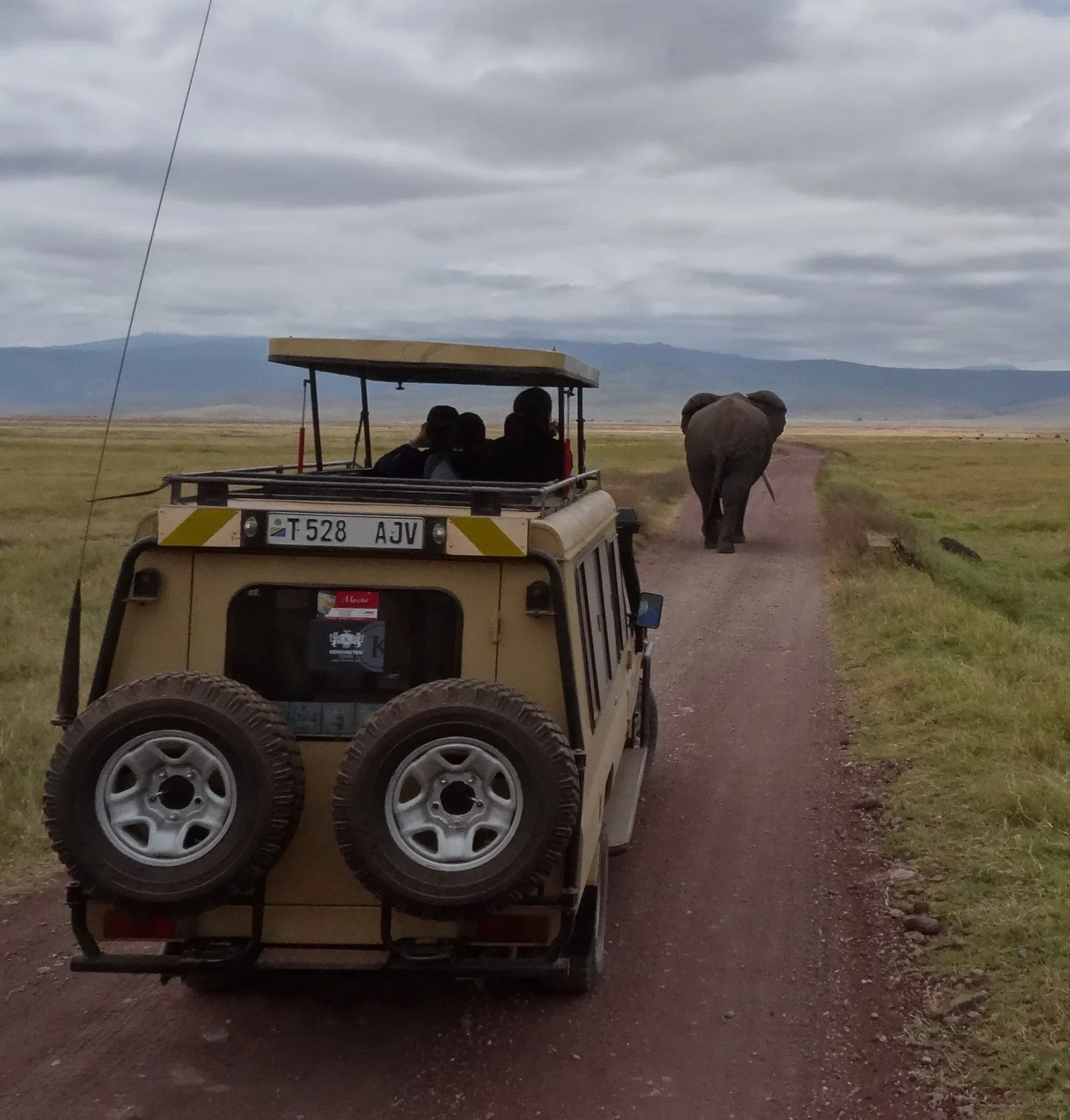
A pop-up roof puts sun and wind on your head all day, so pack a hat and sunscreen. Photo: Freesolo Adventures, CC BY 2.0, via Wikimedia Commons
What to Wear in Ngorongoro Crater?
Wear a fleece or light jacket with a scarf, buff or beanie for the cold rim at dawn, and a breathable shirt underneath for the warmer crater floor.
The NCAA says temperatures in the conservation area vary from 3°C to 35°C depending on altitude, and are always lower along the rim than on the floor. Your day starts on that cold rim.
Rim mornings versus the crater floor
Crater gates open at 06:00, so day trips reach the rim when it is coldest. Asilia notes that in high-altitude areas like the Ngorongoro Conservation Area mornings are especially cold, and suggests a scarf, buff or beanie. One traveller describes mornings in the 50s Fahrenheit, with wind from the open vehicle making it feel colder.
Start with a light long-sleeve shirt, add a fleece or light jacket and a beanie. On the warm crater floor, peel the layers off and keep them on the seat for the climb back up.
What to wear by season
The NCAA splits the year into a wet season from November to May and a dry season from June to October, with June to August the coldest months. The area stays open all year.
| Months | What the NCAA says | What to wear |
|---|---|---|
| June to August | Dry season and the coldest months | Fleece plus a warmer jacket, beanie and scarf for the rim, gloves if you feel the cold |
| September to October | Dry season continues | Fleece or light jacket for dawn, sun hat and buff for dusty tracks |
| November to May | Wet season, 4x4 advised in muddy periods | Light rain jacket over the fleece, quick-dry trousers, shoes you do not mind getting muddy |
Sources: Ngorongoro Conservation Area Authority, Ngorongoro Conservation Area Authority.
Can I Wear Jeans on Safari in Africa?
You can, but jeans are a poor choice for a crater day because they are heavy, slow to dry and hot once the sun is up.
Asilia puts it plainly: jeans are heavy, slow to dry and brutal in the heat.
Why lighter trousers work better
A crater day goes from a cold rim to a warm floor in a few hours. Jeans hold the morning chill, trap heat in the afternoon and stay damp after wet-season rain. Light cotton or quick-dry trousers in khaki or olive handle both ends of the day.
Wear your jeans on the flight instead.
The white shirt problem
Asilia warns that white shirts and trousers get dirty very quickly from vehicle dust, and another travel blog says white soon turns yellow or brown. Tan or light grey hides it.
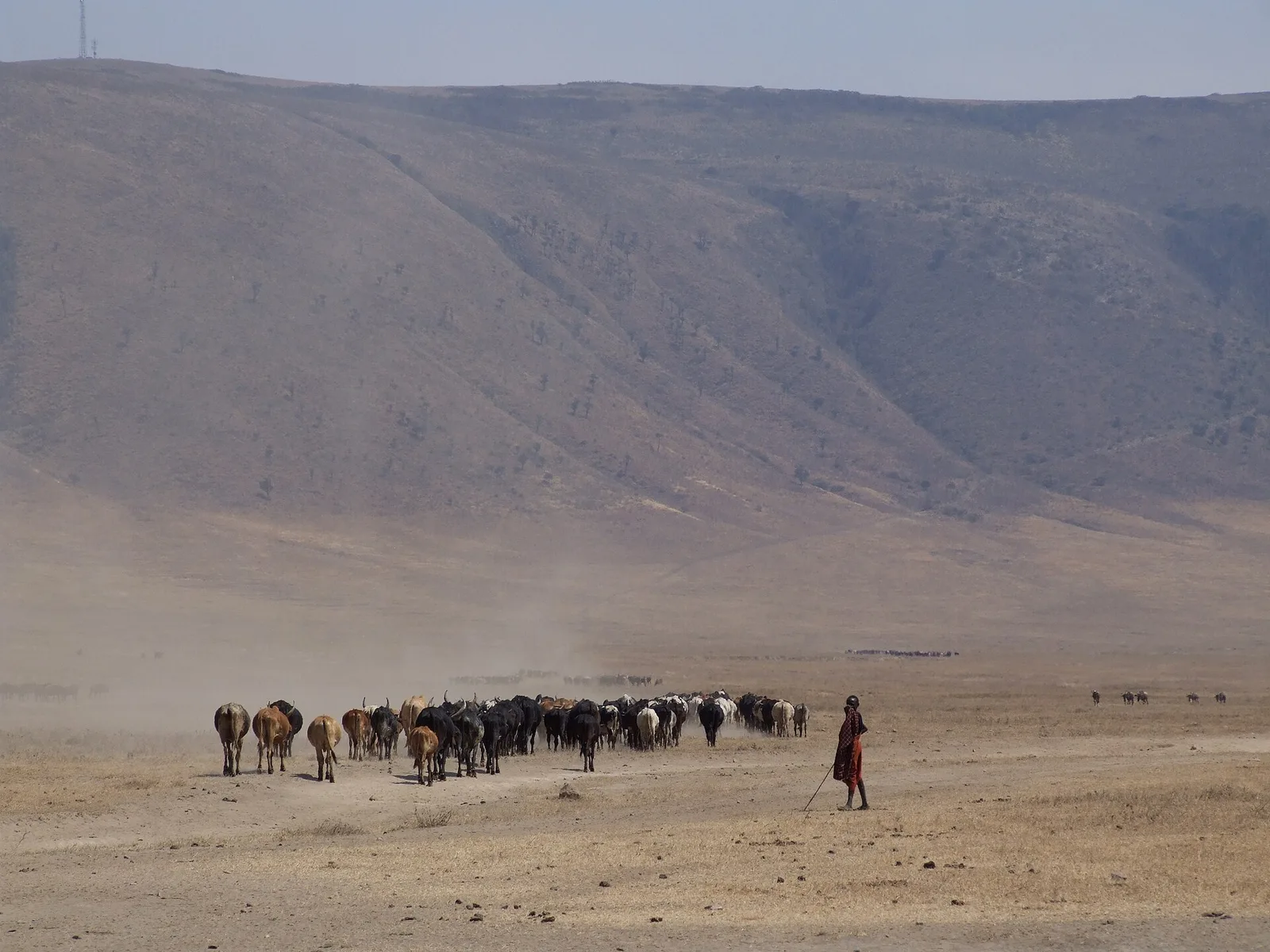
Dust blows across the dry crater floor, so a scarf or buff earns its place in the bag. Photo: Nicor, CC BY-SA 3.0, via Wikimedia Commons
What Shoes Do You Need for a Ngorongoro Crater Safari?
Comfortable closed shoes or light trainers are enough, because inside the crater you stay in the vehicle except at designated spots.
Park rules make footwear simple on a crater game drive.
Inside the crater you ride, not walk
The NCAA does not allow walking safaris inside the crater, and visitors stay in their vehicles except in designated areas such as picnic sites. Choose shoes that are comfortable to sit in for hours and closed against dust and mud. Light trainers or walking shoes do the job, and heavy hiking boots are not needed for the crater floor.
When proper walking shoes are worth packing
Walking is allowed on the rim and elsewhere in the conservation area, always with an armed NCAA ranger. Short walks of 1 to 4 hours carry a guide fee of USD 23.60 per non-East African adult, per the NCAA tariff. If your trip includes a rim walk, pack supportive shoes with good grip.
Sources: Ngorongoro Conservation Area Authority, Ngorongoro Conservation Area Authority, Ngorongoro Conservation Area Authority.
Tours That Fit
Day trips and multi-day safaris that drive into Ngorongoro Crater, each with its own start time and fee setup.
 from $325
Most booked day trip
Ngorongoro Crater Day Trip from Arusha
The most-booked crater day trip: a small group of up to 6 from Arusha, with every fee and tax in the price.
Check Availability from $300
Shared Group Ngorongoro Crater Day Trip
A shared day trip for up to 7 travellers from Arusha, lunch and all fees included.
Check Availability from $115
Lowest base price
Budget Ngorongoro Crater Day Trip from Moshi or Arusha
The lowest base price, but the crater fees of $169 per person are paid in cash on top, the day before.
Check Availability from $1,350
Top rated 2-day
2-Day Tarangire and Ngorongoro Private Camping Safari
A private 2-day camping safari to Tarangire and the crater, with the night on a campsite.
Check Availability from $770
Most reviewed
3-Day Serengeti and Ngorongoro Group Camping Safari
The most-reviewed safari here: 3 days of group camping in the Serengeti and on the crater rim, up to 7 people.
Check AvailabilityHow Do You Protect Yourself From Sun and Dust on Safari?
Pack a wide-brim hat with a chin strap, sunglasses and a buff, and keep sunscreen and insect repellent in your day bag.
Once the cold lifts, the sun on the crater floor is strong and the tracks get dusty.
Hat, sunglasses and buff
A wide-brim hat with an under-chin strap stays on when you stand up in the vehicle, and sunglasses keep out glare and grit. A buff works as a neck warmer on the rim and a dust mask on busy tracks, a trick Asilia recommends for places like Seronera in the Serengeti. Keep all three in your day bag.
Insect repellent and malaria
Repellent backs up the colour rule against tsetse flies. The CDC says malaria risk covers all areas of Tanzania below 1,800 m elevation, so ask your doctor about prophylaxis before you travel.
Source: CDC Travelers' Health.
What to Pack for Ngorongoro Crater?
Pack a short, neutral-coloured list in a soft duffel bag: layers, a hat, closed shoes, sun and insect gear, your passport and any cash your tour needs.
A crater safari needs a short list. Most lodges do laundry, so you do not need trousers for every day.
Packing checklist
- 2 or 3 shirts in khaki, olive, tan or light grey, with at least one long-sleeved - 2 pairs of light, quick-dry trousers (no jeans) - A fleece, cardigan or light jacket for the rim - A scarf, buff or beanie for cold mornings - A light rain jacket from November to May - Comfortable closed shoes, plus sandals for the lodge - A wide-brim hat with a chin strap and sunglasses - Sunscreen and insect repellent - Binoculars and a camera with spare batteries - Passport with at least 2 blank pages and six months of validity - Cash for any fees or tips your tour does not cover - A soft-sided or folding duffel bag, no plastic bags
Bag limits and the plastic bag ban
Local airlines flying to park airstrips typically allow 15 kilos per person including carry-on, so use a soft-sided or folding duffel bag. Tanzania has banned plastic bags, and the NCAA does not allow them in the conservation area, so pack toiletries in fabric pouches.
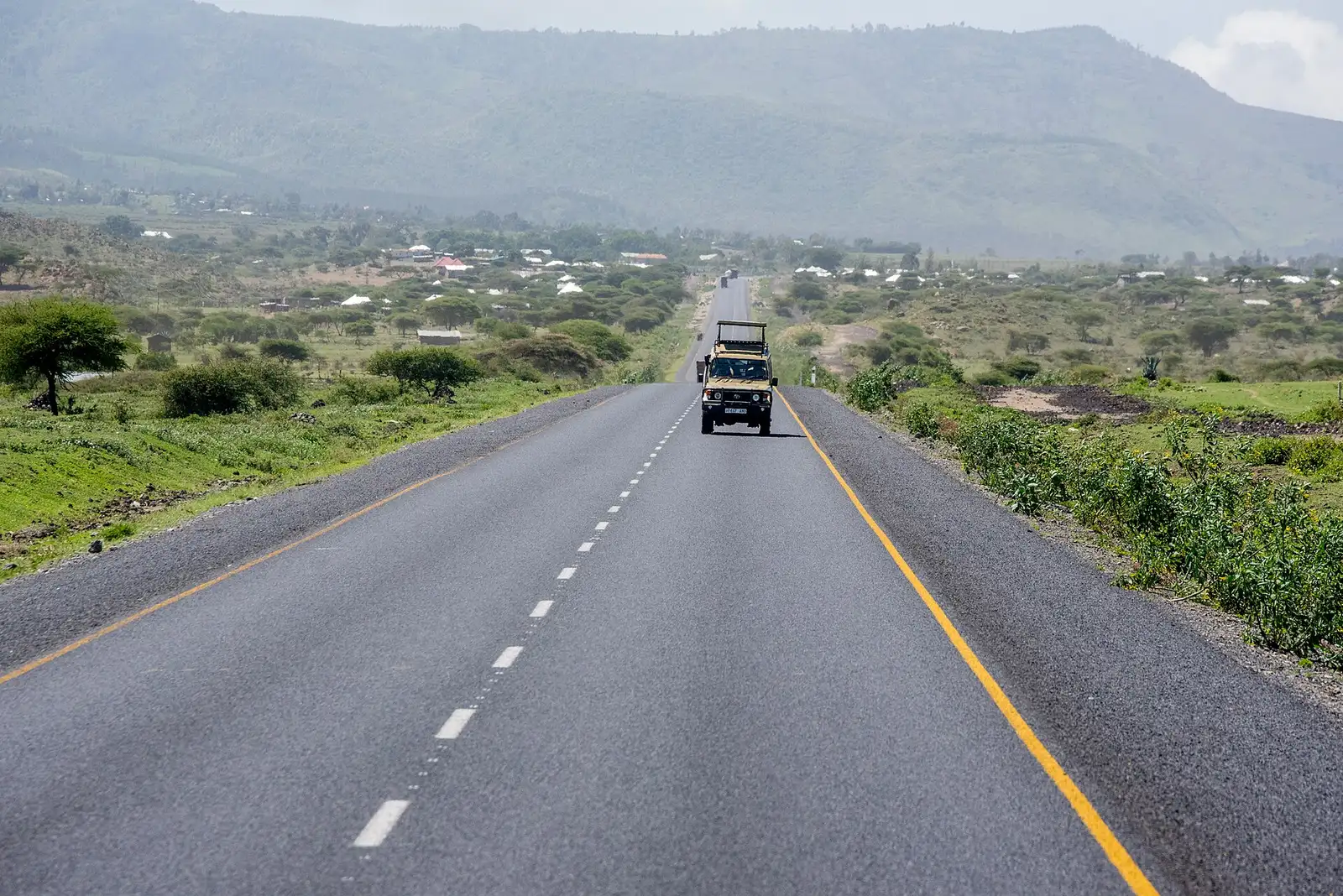
Much of the day is spent in the vehicle on the road, so wear layers you can add or remove. Photo: RahimMngwaya, CC BY-SA 4.0, via Wikimedia Commons
What Do Ngorongoro Crater Tours Provide and What Is on You?
Tours provide the vehicle, guide and usually lunch, while your clothes, gear and, on some tours, the crater fees in cash are on you.
Whether the crater fees sit inside your tour price decides how much cash you carry on the day.
Fees inside the price or on top
The NCAA charges non-East African adults a USD 70.80 entry permit and a crater service fee of USD 295 per vehicle per trip. The Arusha day trips priced from $300 to $380 include those fees. The Budget Ngorongoro Crater Day Trip from Moshi or Arusha costs $115, but the entrance fee, crater service fee and 18% VAT come on top at $169 per person, paid in cash the day before.
The camping safaris in the table do not state whether crater fees are included, so ask before you book.
| Tour | Price | Crater fees |
|---|---|---|
| Ngorongoro Crater Day Trip from Arusha | $325 | Included |
| Private Ngorongoro Crater Day Safari from Arusha | $350 | Included |
| Shared Group Ngorongoro Crater Day Trip | $300 | Included |
| Ngorongoro Crater Joining Group Day Trip | $380 | Included |
| Budget Ngorongoro Crater Day Trip from Moshi or Arusha | $115 | Paid on top, $169 cash |
| 2-Day Tarangire and Ngorongoro Private Camping Safari | $1,350 | Not stated on the listing |
| 3-Day Serengeti and Ngorongoro Group Camping Safari | $770 | Not stated on the listing |
Food and comfort on the day
There is no restaurant inside the crater, only lunch boxes and booked hot-lunch picnic spaces, so bring a water bottle and a snack you like.
Sources: Ngorongoro Conservation Area Authority, Ngorongoro Conservation Area Authority, Ngorongoro Conservation Area Authority.
What I Wish I Knew Before Visiting Tanzania for Safari?
The crater rim is colder than people expect, camouflage and plastic bags are off limits, and fee rules decide how much cash you need.
These points catch first-time visitors out.
Five things to sort before you fly
- The rim is cold. Nights are cold and June to August are the coldest months, per the NCAA. - Leave camouflage at home. Military-pattern clothes may be considered unlawful in East Africa. - No plastic bags.
They are not allowed in the conservation area. - Check your passport. It needs at least 2 blank pages and six months of validity. - Photographing local people is prohibited except in designated Cultural Bomas. - Ask whether crater fees are in the price, so the cash you carry matches the tour.
Sources: Ngorongoro Conservation Area Authority, Ngorongoro Conservation Area Authority, Tanzania Immigration Department.
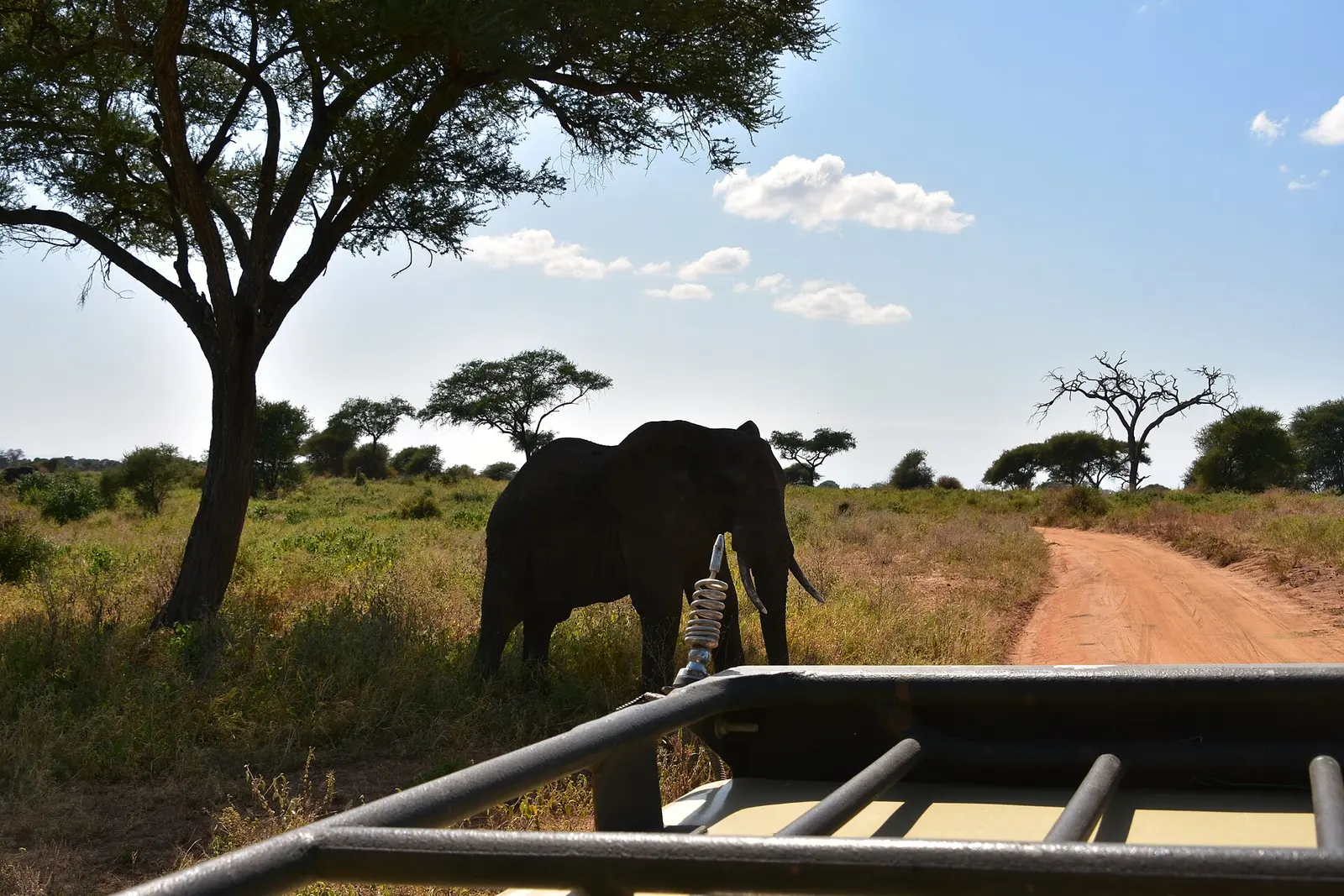
Standing up through the roof is how you watch wildlife, so shoulders and neck need cover. Photo: Richard Mortel, CC BY 2.0, via Wikimedia Commons
What to Wear on Safari Evenings?
Wear a warm fleece or jacket, long trousers and closed shoes, because nights on the crater rim are cold.
Evenings matter on multi-day trips that sleep on or near the rim.
Lodge and camp nights on the rim
The NCA has 11 lodges, 49 special campsites and 1 public campsite, and the NCAA says nights are cold. On the 2-Day Tarangire and Ngorongoro Private Camping Safari or the 3-Day Serengeti and Ngorongoro Group Camping Safari, pack a warm jacket, a beanie and thick socks. Driving stops at 18:00, so change into one warm outfit at camp and save the dusty clothes for the next drive.
Sources: Ngorongoro Conservation Area Authority, Ngorongoro Conservation Area Authority, Ngorongoro Conservation Area Authority.
Ngorongoro Safari Clothing FAQ
Is Tanzania safe for whites?
Park rules apply to every visitor in the same way. Inside the crater a licensed guide must accompany all visitors and you stay in the vehicle except in designated areas, so the day is well supervised. Read your own government's travel advice before you go, and see the NCAA visitor guidelines for the rules on the day.
Is camouflage clothing allowed on safari in Tanzania?
No, leave it at home. Camouflaged, military-pattern clothes may be considered unlawful in East Africa, per the Serengeti packing list.
What to wear in Tanzania as a woman on safari?
The same rules apply: neutral colours, loose breathable layers, a fleece for the rim, closed shoes and a hat with a chin strap. Long sleeves and trousers help with sun and insects. Compare tour start times on the ngorongoro crater tour guide to plan your layers.
Do I need a warm jacket for Ngorongoro Crater?
Yes, at least a fleece or light jacket. The NCAA names June to August as the coldest months and says the rim is always colder than the floor, per its visitor information.
Do I need cash for a Ngorongoro Crater day trip?
Only on some tours. The Budget Ngorongoro Crater Day Trip from Moshi or Arusha adds $169 per person in cash for crater fees and VAT, while the other day trips include the fees.
More Guides
- 2-Day Tanzania Safari to Tarangire and the Ngorongoro Crater
2-day safaris from Arusha with 1 night out, compared on crater fees and where you sleep in 2027. Pick the one that fits.
- 3-Day Tanzania Safari With the Ngorongoro Crater
3-day Tanzania safari routes for 2027: 2 nights, the crater plus Serengeti or Tarangire and Manyara. Compare what each trip covers.
- 5-Day Tanzania Safari: Tarangire, Serengeti and the Ngorongoro Crater
5-day Tanzania safari routes for 2027: 4 nights, Tarangire, Serengeti and the crater. See what each trip includes and pick yours.